The Reserve Bank of India (RBI) has set an ambitious goal to increase e-rupee payments by leveraging the existing United Payment Interface (UPI) infrastructure. With a target of raising daily Central Bank Digital Currency (CBDC) transactions from 10,000 to 10 lakh (one million) by the end of the year, the RBI aims to combine the advantages of cash anonymity and digital transaction convenience, driving the widespread adoption of e-rupee payments across India.
Understanding the E-Rupee's Progress and Challenges
Since its pilot launch on 1 December 2022, the e-rupee has gained significant traction among retail users. As of June, the e-rupee app has been downloaded by approximately 13 lakh users, while around 3 lakh merchants have started accepting CBDC payments. However, the limited number of merchants accepting CBDC has hindered the growth of e-rupee transactions.
Promoting Interoperability for E-Rupee Payments
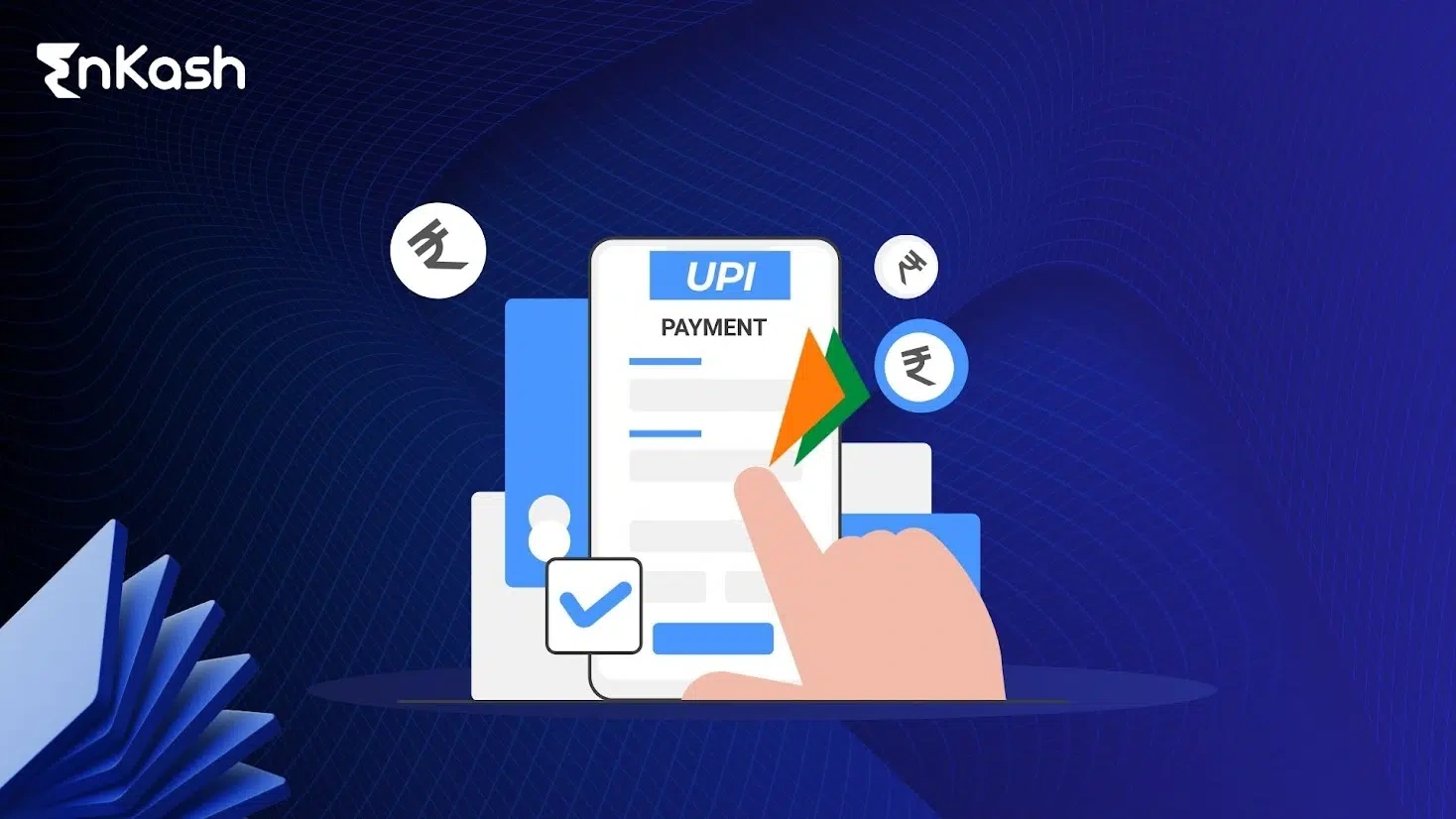
To overcome the challenge of limited merchant acceptance, the RBI has instructed banks to enable the interoperability of UPI QR codes for e-rupee payments. This means that any merchant accepting UPI payments can also accept CBDC payments. By promoting interoperability, the RBI aims to eliminate concerns about merchant onboarding and expand the reach of e-rupee payments to a wider user base.
Partial Interoperability Achieved
As per available data, 13 banks authorized to handle CBDC have achieved partial interoperability. This accomplishment allows QR codes to be scanned and connected to CBDC wallets whenever they are accessible. With this development, the infrastructure supporting e-rupee payments is becoming more robust and user-friendly.
Ambitious but Feasible Target
RBI Deputy governor believes that the target of 10 lacks CBDC payments is an achievable goal, considering the current volume of UPI transactions, which stands at 31 crores. While the target is undoubtedly ambitious, it serves as an important benchmark to evaluate the impact and implications of CBDC adoption in India.
CBDC and Existing Payment Systems
The Deputy governor emphasizes that CBDC does not compete with existing systems like UPI. Instead, the survival of any payment system depends on the value proposition it offers to users. CBDCs possess unique advantages, such as enhanced security, reduced transaction costs, and quicker settlement times. By leveraging these benefits, CBDCs can complement existing payment systems like UPI, providing users with additional choices and improved financial services.
Use Cases for Digital Currency
Digital currencies serve two primary use cases:
- Firstly, they can remove friction in cross-border transactions, addressing the inefficiencies and costs associated with traditional methods. Institutions like the Bank for International Settlements (BIS) are actively exploring CBDCs to streamline cross-border payments and enhance international financial interactions.
- Secondly, digital currencies can be programmed for specific purposes. This programmability enables the implementation of smart contracts, conditional payments, and other automated features. By utilizing digital currencies, various sectors such as supply chain management, trade finance, and social welfare programs can benefit from increased efficiency, transparency, and accountability.
Countering the Threat of Stablecoins
The need for a domestic digital currency to counter the potential threat posed by stablecoins. Stablecoins are cryptocurrencies that are pegged to the value of traditional fiat currencies like the US dollar or euro. As stablecoins gain popularity, they can pose risks to monetary stability and financial sovereignty. By introducing a CBDC, the RBI aims to maintain control over the monetary system and ensure the stability of the Indian economy.
Conclusion
The RBI's proactive initiative to increase e-rupee payments with the help of UPI infrastructure demonstrates its commitment to fostering digital payment adoption in India. By promoting interoperability and leveraging the existing UPI ecosystem, the RBI aims to enhance the accessibility and convenience of CBDC transactions. As digital currencies gain momentum globally, India's proactive approach positions it at the forefront of the global digital payments landscape. The successful implementation of e-rupee payments can pave the way for a more inclusive, efficient, and secure financial ecosystem in the country.
FAQs
What is the goal of the Reserve Bank of India (RBI) regarding e-rupee payments?
The RBI aims to increase daily Central Bank Digital Currency (CBDC) transactions from 10,000 to 10 lakh (one million) by leveraging the existing United Payment Interface (UPI) infrastructure.
How has the e-rupee progressed since its introduction?
The e-rupee has gained traction among retail users, with approximately 13 lakh users downloading the app as of June. Around 3 lakh merchants have also started accepting CBDC payments.
What is the RBI doing to address the limited merchant acceptance of CBDC?
The RBI has instructed banks to make UPI QR codes interoperable for e-rupee payments, allowing any merchant accepting UPI payments to also accept CBDC payments.
How many banks have achieved partial interoperability for CBDC transactions?
Based on available data, 13 banks authorized to handle CBDC have successfully achieved partial interoperability, allowing QR codes to be scanned and connected to CBDC wallets.
How does CBDC relate to existing payment systems like UPI?
CBDC does not compete with existing systems like UPI. Instead, it complements them by providing additional choices and improved financial services.
What are the primary use cases for digital currencies?
Digital currencies have two primary use cases: removing friction in cross-border transactions and programming for specific purposes, such as implementing smart contracts and conditional payments.
How does the RBI plan to counter the threat of stablecoins?
The RBI aims to maintain control over the monetary system and ensure the stability of the Indian economy by introducing a domestic Central Bank Digital Currency (CBDC).
What are the implications of the RBI's initiative for e-rupee payments?
The RBI's proactive approach positions India at the forefront of the global digital payments landscape, fostering a more inclusive, efficient, and secure financial ecosystem in the country.